Pearson Edexcel · GCSE · Business
Course version: 1BS0 · Version from Sept 2017
The concept and calculation of: ● gross profit ● net profit
Full specification wording
Business calculations: The concept and calculation of: ● gross profit ● net profit
Profit is the financial reward achieved when revenue exceeds costs.
Checked against the Pearson Edexcel 1BS0 specification (opens in a new tab) on .
- Point 1 of 2
- 4 key terms
Study notes
From the checked teaching notes for this specification point.
The idea
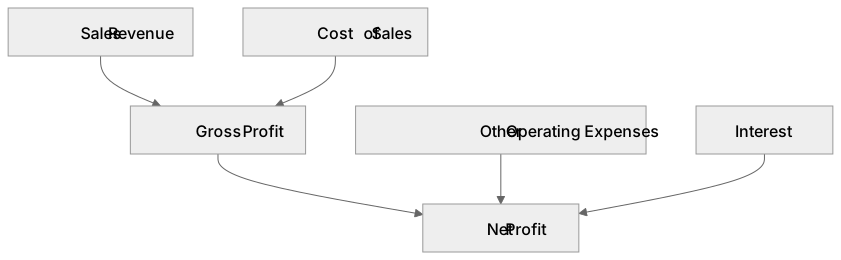
Profit is the financial reward achieved when revenue exceeds costs. Gross profit focuses purely on the direct costs of making or buying a product, calculated as sales revenue minus cost of sales. For example, if a bakery sells bread for £500 and the flour costs £150, the gross profit is £350. Net profit provides a comprehensive measure of financial performance by deducting all other operating expenses and interest from the gross profit. If the bakery's rent, wages, and loan interest total £150, the net profit becomes £200. Understanding both concepts allows a business to see whether its core trading is profitable before overheads and financing costs are considered.
What earns the marks
- Gross profit is calculated using the formula: Sales Revenue - Cost of Sales.
- Net profit is calculated using the formula: Gross Profit - (Other Operating Expenses + Interest).
- Cost of sales includes direct variable costs such as raw materials and direct labour.
- Operating expenses and interest include indirect costs such as rent, insurance, marketing, and borrowing costs.
- A business can have a positive gross profit but a negative net profit if its overheads and interest payments are too high.
Common mistakes and how to put them right
Confusing gross and net profit.
Put it right: Gross profit only deducts cost of sales, whereas net profit deducts all operating expenses and interest.
Including overheads in the cost of sales.
Put it right: Only subtracting direct variable costs to find gross profit.
Forgetting to state the currency symbol in the final answer.
Put it right: Include the £ sign when calculating profit figures.
Exam tips
- Always show your working out, as you may pick up marks for the correct method even if the final answer is wrong.
- Read the data table carefully to distinguish between direct costs (cost of sales) and indirect costs (expenses and interest).
- If asked to evaluate a business's performance, use both gross and net profit figures to provide a balanced analysis.
Try the lesson
The start of the Business calculations: The concept and calculation of: ● gross profit ● net profit lesson, made from checked teaching notes for this specification point.
Have a go first
Which of the following formulas correctly shows how a business calculates its gross profit?
Listen
Profit is the financial reward achieved when revenue exceeds costs. Gross profit focuses purely on the direct costs of making or buying a product, calculated as sales revenue minus cost of sales. For example, if a bakery sells bread for £500 and the flour costs £150, the gross profit is £350. Net profit provides a comprehensive measure of financial performance by deducting all other operating expenses and interest from the gross profit. If the bakery's rent, wages, and loan interest total £150, the net profit becomes £200. Understanding both concepts allows a business to see whether its core trading is profitable before overheads and financing costs are considered. A strong answer earns marks for these points. Gross profit is calculated using the formula: Sales Revenue - Cost of Sales. Net profit is calculated using the formula: Gross Profit - (Other Operating Expenses + Interest). Cost of sales includes direct variable costs such as raw materials and direct labour. Operating expenses and interest include indirect costs such as rent, insurance, marketing, and borrowing costs. A common slip: Including overheads in the cost of sales. Instead, only subtracting direct variable costs to find gross profit. Exam tip: Always show your working out, as you may pick up marks for the correct method even if the final answer is wrong.
See it
Key words
Say what each word means before you turn the card.
Gross profit
Try answering aloud or in your head before turning the card.
Net profit
Try answering aloud or in your head before turning the card.
Cost of sales
Try answering aloud or in your head before turning the card.
Operating expenses and interest
Try answering aloud or in your head before turning the card.
See every definition
- Gross profit
- The financial reward calculated as sales revenue minus cost of sales, focusing purely on the direct costs of making or buying a product.
- Net profit
- A comprehensive measure of financial performance found by deducting all other operating expenses and interest from the gross profit.
- Cost of sales
- Direct variable costs such as raw materials and direct labour.
- Operating expenses and interest
- Indirect costs such as rent, insurance, marketing, and borrowing costs.
Label the diagram
Some boxes have lost their names. Pick the right name for each number.
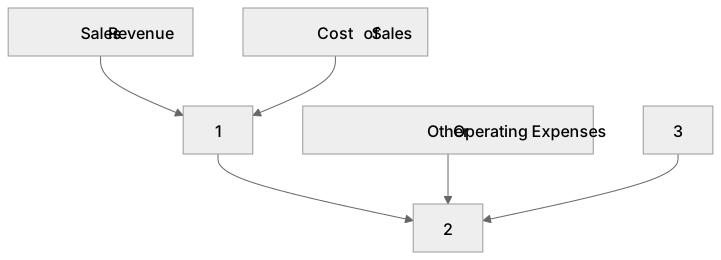
1Box 1
2Box 2
3Box 3
There is more to this lesson
The full lesson goes on to check your understanding and help you earn the marks. Create a free account to carry on, with your progress saved.
A week of Premium from your first lesson · Then the free plan continues · No card, no charge
Test your understanding of Business calculations: The concept and calculation of: ● gross profit ● net profit
Active recall beats re-reading. Take an instant quiz now to test what you’ve learned and lock it into long-term memory.
A week of Premium from your first lesson · Then the free plan continues · No card, no charge